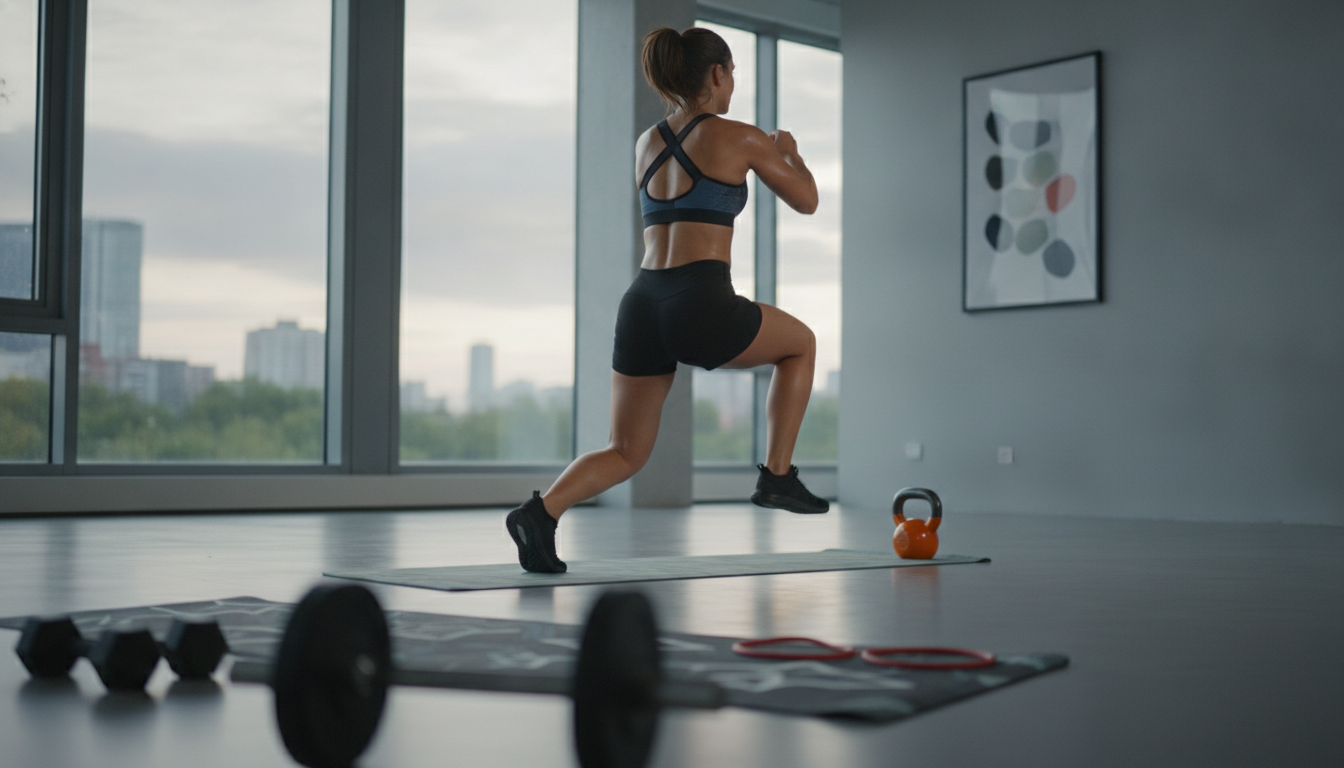
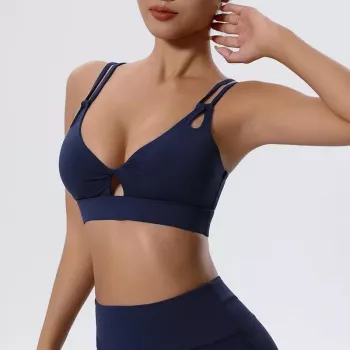
A cross-back sports bra can be supportive enough for running or HIIT, but only if the bra is built for high-impact movement—not just styled with crossed straps. The cross-back design helps by distributing tension across the upper back and reducing strap slippage, which is especially useful when you’re sprinting, jumping, or doing burpees. Support, however, ultimately comes from the bra’s structure: compression or encapsulation, a firm underband, and minimal bounce across the cups.
Look for a snug, wide underband that stays planted when you raise your arms or land from a jump. A higher neckline and a fuller coverage front typically control bounce better during intervals. Wider straps (even when crossed) and reinforced seams also help keep everything stable through quick direction changes and plyometrics.
If you have a fuller bust or you’re doing longer runs, a light-to-medium support cross-back bra may feel secure at first but start to shift once sweat builds and fabric relaxes. Signs it’s not supportive enough include upward band creep, straps digging in to compensate, or noticeable bounce on jump rope or box jumps. In those cases, prioritize high-impact labels, molded cups or internal support panels, and adjustability (especially at the band).
The band should feel firm on the loosest setting (if adjustable) and stay level around your torso. You should be able to take a full breath, but not easily pull the band far from your ribcage. Do a quick “test set”: 10 jumping jacks and a few high knees—support should come from the band and cups, not from overtight straps.
For more detail on breathable materials, strap design, and choosing the right level of support, visit this cross-back sports bra guide.
Medium-support bras are designed for steady movement like cycling, lifting, or yoga, with moderate bounce control. High-support bras use firmer bands, stronger fabrics, and more coverage or structure to reduce bounce during running, HIIT, and plyometrics.










Leave a comment